


Deeptech Innovations in Product Development: Driving Reliable and High-Performance Solutions

In the evolving landscape of technology, deeptech innovations are reshaping how mission-critical and safety-critical products are designed, developed, and deployed. These innovations are not merely incremental improvements but represent fundamental advances in engineering, materials science, embedded systems, and intelligent platforms. Companies like Seloriz specialize in delivering these advanced solutions, ensuring that complex ideas transform into reliable, compliant, and high-performance products tailored for regulated industries.
Harnessing Innovative Deeptech Solutions for Mission-Critical Systems
Innovative deeptech solutions are pivotal in sectors where failure is not an option. Industries such as aerospace, defense, healthcare, transportation, and energy demand products that meet stringent safety, reliability, and compliance standards. Deeptech innovations enable the integration of cutting-edge electronics, embedded systems, and connected platforms that operate flawlessly under extreme conditions and over extended lifecycles.
For example, in aerospace, embedded systems must withstand harsh environments while maintaining real-time responsiveness. Similarly, in healthcare, devices require precise control and fail-safe mechanisms to ensure patient safety. Seloriz’s approach combines systems thinking with rigorous engineering processes to deliver solutions that balance innovation with operational dependability.
Key aspects of innovative deeptech solutions include:
Advanced materials and electronics: Utilizing novel semiconductors, sensors, and durable components to enhance performance and longevity.
Embedded system design: Creating real-time, deterministic control systems that meet safety-critical standards such as DO-178C or ISO 26262.
Connected platforms: Developing secure, scalable IoT frameworks that enable remote monitoring and predictive maintenance.
Compliance-driven development: Ensuring products adhere to industry-specific regulations and certifications from the outset.
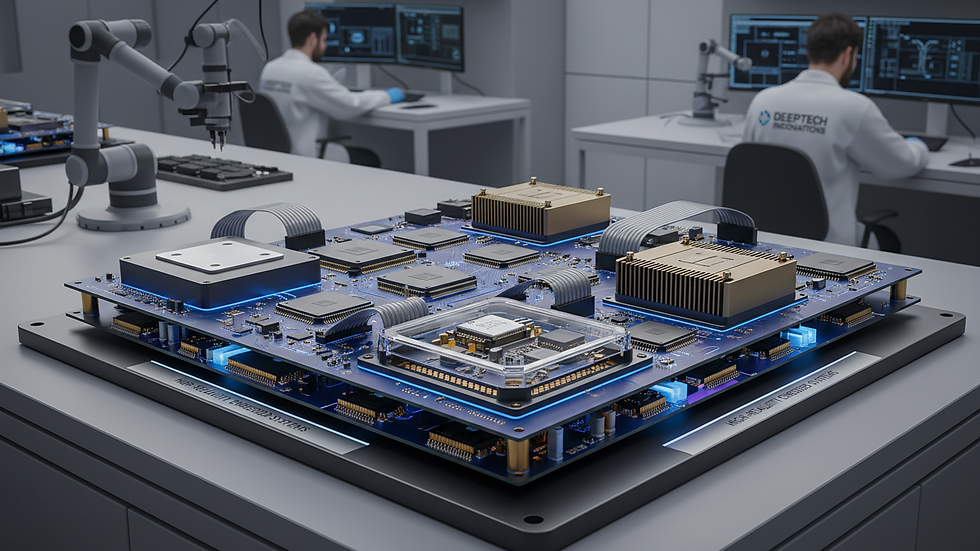
The Role of Deeptech Product Development in Ensuring Long-Term Performance
Deeptech product development is a complex, multidisciplinary process that demands precision engineering and thorough validation. It involves not only the creation of hardware and software but also the integration of these components into a cohesive system that performs reliably over time.
A critical factor in this process is the early identification and mitigation of risks related to safety, reliability, and compliance. This includes rigorous testing protocols such as hardware-in-the-loop (HIL) simulations, environmental stress testing, and cybersecurity assessments. By embedding these practices into the development lifecycle, companies can reduce time-to-market while ensuring that products meet or exceed operational requirements.
For instance, in industrial automation, deeptech innovations enable the deployment of intelligent control systems that adapt to changing conditions without compromising safety. These systems incorporate fault-tolerant architectures and real-time diagnostics to maintain continuous operation.
Actionable recommendations for effective deeptech product development:
Adopt a systems engineering approach: Integrate cross-disciplinary expertise early to address complex interactions and dependencies.
Implement iterative prototyping: Use rapid prototyping and simulation tools to validate concepts before full-scale production.
Prioritize compliance and certification: Engage with regulatory bodies early to align development with applicable standards.
Focus on scalability and maintainability: Design products with modular architectures to facilitate upgrades and long-term support.
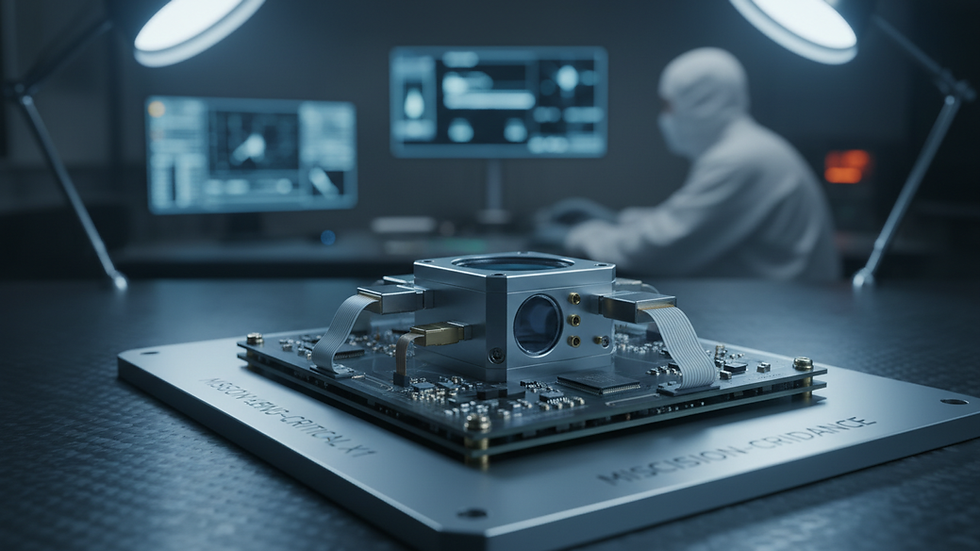
Is Deep Tech Risky to Invest In?
Investing in deeptech can appear risky due to the high complexity, long development cycles, and significant capital requirements. However, the potential rewards in terms of market differentiation, technological leadership, and long-term value creation are substantial when managed correctly.
The risks primarily stem from technical uncertainties, regulatory hurdles, and the need for specialized talent. Deeptech projects often require extensive research and development, which can delay commercialization. Moreover, compliance with safety and industry standards adds layers of complexity that must be navigated meticulously.
Mitigating these risks involves:
Robust project management: Employing stage-gate processes and risk assessment frameworks to monitor progress and identify issues early.
Strategic partnerships: Collaborating with research institutions, suppliers, and certification bodies to leverage expertise and resources.
Focused innovation: Concentrating on solving well-defined problems with clear market demand rather than speculative technologies.
Investment in talent: Building multidisciplinary teams with deep domain knowledge and engineering rigor.
When these factors are addressed, deeptech investments can yield transformative products that command premium value and open new market opportunities.
Practical Applications of Deeptech Innovations Across Industries
Deeptech innovations have tangible impacts across a wide range of sectors, each with unique challenges and requirements. Below are examples illustrating how advanced engineering and embedded systems drive progress:
Transportation and Railway: Development of fail-safe control units for autonomous trains, integrating real-time diagnostics and cybersecurity features to ensure passenger safety and operational efficiency.
Defense and Aerospace: Design of ruggedized avionics and communication systems capable of operating in extreme environments with high reliability and compliance with military standards.
Healthcare: Creation of embedded medical devices with precise control algorithms and secure data transmission to support critical patient monitoring and intervention.
Energy and Industrial Automation: Implementation of smart grid controllers and predictive maintenance platforms that optimize energy distribution and reduce downtime.
Communication Infrastructure: Deployment of resilient network hardware with embedded security features to maintain uninterrupted connectivity in critical applications.
These examples underscore the importance of a holistic approach to product development that integrates hardware, software, and compliance considerations from concept to deployment.
Future Trends Shaping Deeptech Product Development
The trajectory of deeptech innovations is influenced by emerging technologies and evolving industry demands. Key trends include:
Artificial Intelligence and Machine Learning Integration: Embedding AI algorithms within mission-critical systems to enable adaptive control, anomaly detection, and predictive analytics.
Edge Computing: Shifting processing capabilities closer to data sources to reduce latency and enhance real-time decision-making.
Advanced Materials and Manufacturing: Leveraging 3D printing, nanomaterials, and novel fabrication techniques to create lighter, stronger, and more efficient components.
Cybersecurity by Design: Incorporating security measures at every layer of the product architecture to protect against increasingly sophisticated threats.
Sustainability and Energy Efficiency: Designing products that minimize environmental impact while maintaining performance and reliability.
Organizations that embrace these trends with a disciplined engineering mindset will be well-positioned to deliver next-generation solutions that meet the highest standards of safety and performance.
Deeptech innovations are not just about pushing technological boundaries but about delivering dependable, compliant, and high-value products that perform flawlessly in the most demanding environments. Through expertise in deeptech product development, companies like Seloriz enable the transformation of complex ideas into mission-ready solutions engineered for long-term success. This approach ensures that innovation translates into tangible business outcomes, driving progress across critical industries worldwide.


Comments